
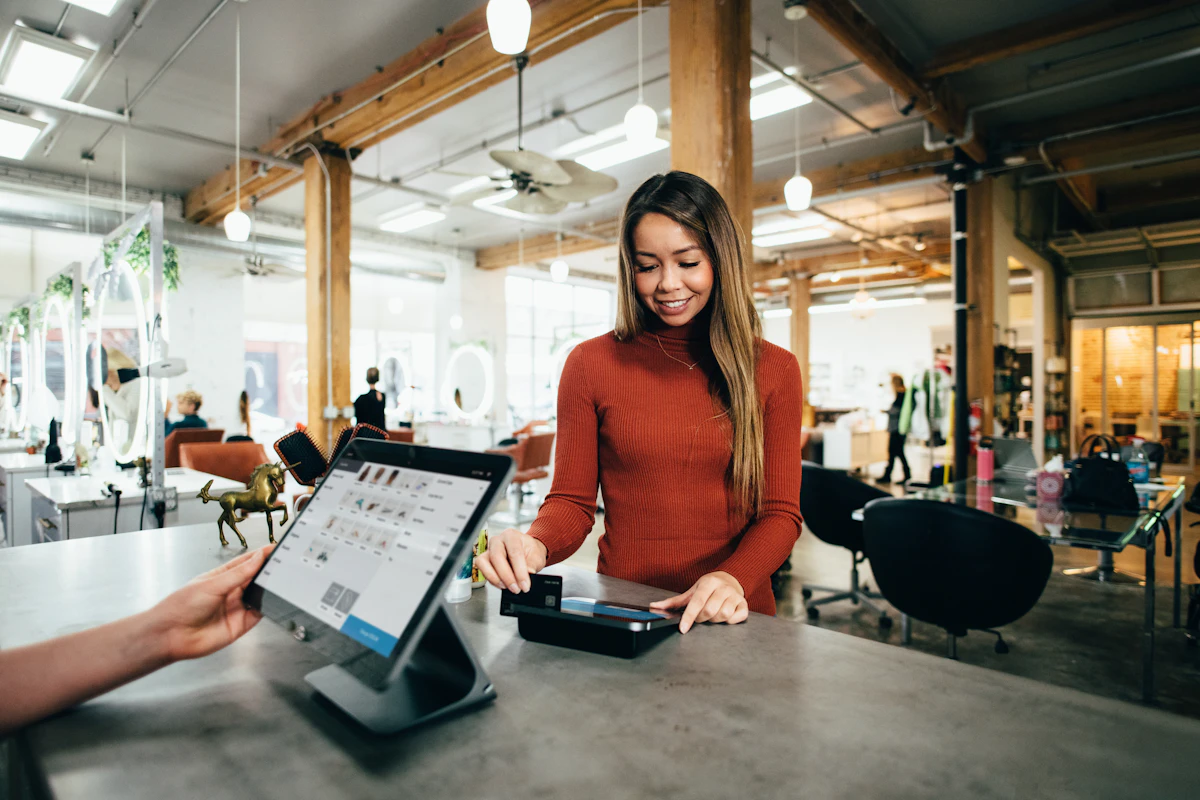
E-commerce in 2026 belongs to sellers who use AI — and punishes those who don't. Product research that took weeks now takes an afternoon. Product photos that cost $500 per shoot now cost $5 with AI generation. Ad creatives, product descriptions, customer support, email flows, inventory forecasts — every expensive bottleneck in online selling has an AI shortcut today.
The result is the most level playing field in retail history. A solo seller with a laptop and $300 can launch a store that looks and operates like a funded brand: professional images, persuasive copy, 24/7 support, and automated marketing. Meanwhile, sellers ignoring AI drown in manual work and ad costs they can't optimize fast enough.
This guide is your complete playbook: how to find winning products with AI, launch your store in a weekend, create images and copy that convert, run AI-optimized ads, automate support and retention, and scale from first sale to $10k months. Beginner-friendly, honest about costs, and free of dropshipping hype.
- The E-commerce Landscape in 2026
- Step 1: AI Product Research (Find Winners)
- Step 2: Launch Your Store in a Weekend
- Step 3: AI Product Images That Convert
- Step 4: Product Copy and SEO That Sells
- Step 5: AI-Powered Ads (Meta, TikTok, Google)
- Step 6: Automate Support and Retention
- Step 7: Scale from $1k to $10k Months
- Best AI Tools for E-commerce (Stack Table)
- 7 Costly Mistakes New Sellers Make
- Frequently Asked Questions
- Conclusion
1. The E-commerce Landscape in 2026
Three shifts define selling online today. First, generic dropshipping is dead; branded micro-stores are thriving. Customers comparison-shop instantly and distrust slow-shipping mystery stores. Winners sell one hero product (or tight niche catalog) with real branding, fast fulfillment, and genuine reviews. AI makes this branding cheap — but the branding must exist.
Second, discovery moved to video and AI search. TikTok Shop, Instagram Reels, and YouTube Shorts drive impulse purchases; Google's AI overviews and ChatGPT-style shopping assistants answer "best X for Y" queries directly. Sellers win by feeding both: short-form demo content plus deep SEO pages with real specs, comparisons, and FAQs that AI assistants cite.
Third, margins come from retention, not just acquisition. Ad costs rise yearly, so one-time buyers at breakeven only profit if email/SMS flows, subscriptions, and upsells bring them back. AI automates the entire retention engine — abandoned carts, post-purchase sequences, win-back campaigns, review requests — turning single purchases into customer lifetime value.
Realistic economics for beginners: aim for products costing under $12 (landed) selling at $35–60 — a 3–5x markup that absorbs ad costs ($10–20 to acquire a customer), fees, and returns while leaving profit. Stores converting at 2–3% with $45 average order value need roughly 750–1,100 monthly visitors per $1,000 in revenue. These numbers are very achievable with focused AI-assisted marketing.
2. Step 1: AI Product Research (Find Winners Before Competitors)
Product selection decides 70% of your outcome. Use this AI-assisted research process before spending a dollar on inventory or ads:
Step A — Trend mining: ask AI to analyze signals across TikTok Shop bestsellers, Amazon Movers & Shakers, Google Trends (rising queries), and supplier marketplaces. Prompt: "List 15 trending product categories for [audience] showing rising demand signals, with evidence type and competition level for each." Verify every AI claim manually — AI suggests, data confirms.
Step B — The 6-point winner checklist. Score each candidate 1–5 on: (1) painful problem solved (vitamins lose, painkillers win); (2) wow/demonstrability in 10-second video (if it can't demo visually, skip it); (3) $35–60 price sweet spot; (4) light and durable (cheap shipping, low returns); (5) consumable or multi-unit potential (repeat revenue); (6) low saturation (fewer than 5 serious branded competitors). Total under 20? Discard. This filter alone eliminates 90% of bad ideas.
Step C — Competitor teardown: for your top 3 candidates, feed AI the top 5 competitor listings and reviews. Ask for: common 1-star complaints (your improvement roadmap), pricing gaps, missing bundle opportunities, and ad angles competitors underuse. Your edge comes from fixing what reviews complain about — better instructions, bonus accessories, faster support.
Step D — Supplier validation: source from vetted suppliers (Alibaba, CJ Dropshipping, Spocket, or local wholesalers). Order samples of your #1 pick — never sell what you haven't touched. Check quality, packaging, and shipping time personally. AI can't feel fabric or test durability; your hands are the final QA department.
3. Step 2: Launch Your Store in a Weekend
Platform choice: Shopify remains the best all-rounder for beginners (free trial, then ~$29+/month) with the richest AI app ecosystem. Alternatives: WooCommerce (free but needs hosting/maintenance), Etsy (instant traffic, high fees, limited branding), or TikTok Shop (explosive for viral products, platform-dependent). Most beginners should start Shopify + one sales channel (TikTok or Instagram) rather than scattering everywhere.
Weekend launch checklist: Day 1 morning — store setup, domain, theme (use a fast free theme; speed beats fancy), essential pages (About, Shipping, Returns, FAQ, Contact, Privacy). Day 1 afternoon — product page built with AI copy (below), 6–10 images, reviews imported or seeded honestly, payment + shipping configured, test order placed. Day 2 morning — email capture popup + welcome flow, abandoned-cart flow, basic analytics (Shopify + GA4 + Meta/TikTok pixels). Day 2 afternoon — 5 launch videos filmed and scheduled, friends-and-family test orders, soft launch to your warmest audience.
AI accelerators for launch: use AI to draft all policy pages from your actual terms (then review carefully), generate your FAQ from competitor reviews' common questions, write your About story from your founder notes, and create your launch content calendar. What took sellers 2–3 weeks in 2020 takes one focused weekend now — spend saved time on product quality and video content instead.
4. Step 3: AI Product Images That Convert
Images sell; copy just confirms. Shoppers decide in 3 seconds from visuals alone. The 2026 standard for a hero product page: 6–10 images covering white-background main shot, lifestyle scene, scale/context shot, feature callouts, before/after or results, packaging/unboxing, and social-proof collage.
The $5 photoshoot workflow: (1) photograph your real product with a phone on white paper near a window (3 angles, 10 minutes); (2) remove backgrounds free (Remove.bg/Canva); (3) generate lifestyle scenes with AI (Leonardo, Midjourney, or Shopify's AI media editor): "product on marble bathroom counter, morning light, photorealistic e-commerce photo"; (4) composite your real product into AI scenes for honest-but-beautiful results; (5) add benefit text overlays in Canva (dimensions, materials, guarantees). Total cost: near zero. Total time: 2–3 hours for a full gallery.
Honesty rules that protect your store: never AI-generate fake product colors, sizes, or features — misleading images trigger returns, chargebacks, and platform bans. AI enhances presentation (backgrounds, lighting, scenes); the product itself must match reality exactly. When in doubt, include at least 2 unedited real photos. Trust compounds; deception bankrupts.
5. Step 4: Product Copy and SEO That Sells
Product page copy formula (AI draft + human proof): headline = transformation + timeframe ("Wake Up Without Back Pain in 14 Days"); subhead = mechanism + ease ("Posture trainer designed by physiotherapists — 10 minutes daily"); 3–5 benefit bullets (outcome-first, each with proof snippet); how-it-works (3 steps with images); comparison table (you vs cheap alternatives vs expensive options); reviews (real, warts-and-all excerpts convert better than perfect 5.0 walls); FAQ accordion (every objection from competitor 1-star reviews, answered); guarantee block (30–60 day promise that reverses risk).
Store SEO (free traffic that compounds): optimize collection and product titles for "[product] for [audience/use case]" queries; write 100–200 unique words per product (no supplier copy-paste — duplicate content never ranks); publish 2 buying guides monthly ("How to Choose X: 7 Factors") targeting research intent; add Product schema markup (most Shopify themes include it); build internal links from guides to products. SEO-grown stores survive ad account bans and cost spikes that kill ads-only sellers.

6. Step 5: AI-Powered Ads (Meta, TikTok, Google)
Creative is the new targeting. Platform AI now handles audience finding (broad targeting + algorithmic optimization beats manual interest stacks). Your job: feed it 10–20 diverse creative variants weekly and kill losers fast. AI generates hooks, scripts, and edits; you supply authentic demos and customer proof.
The $10/day testing protocol: launch 5 ad angles × 2 hooks each as separate creatives ($10/day total budget, broad audience, one campaign). Run 3–4 days untouched (editing resets learning). Kill anything under 1% CTR or above your break-even cost-per-purchase. Scale winners 20–30% budget every 2–3 days. Graduate proven angles to higher budgets and new platforms. Never scale unprofitable ads hoping for magic — scale proof, not hope.
Platform roles: TikTok/UGC-style video for discovery and impulse (lowest CPMs, fastest feedback); Meta (Facebook/Instagram) for scaling proven winners to broad audiences; Google Shopping + Search for capturing high-intent "buy X" demand you create elsewhere. AI ad tools (Advantage+ catalogs, Performance Max feeds, TikTok Smart Creative) multiply output — but feed them great raw assets, because AI optimization can't save boring creative.
Budget honesty: keep $300–500 minimum for initial testing. Most beginners need 2–4 product or angle iterations before profit. If $500 in disciplined testing yields zero signal (no add-to-carts, no email signups), the product — not the ads — is usually the problem. Pivot products before burning more budget.
7. Step 6: Automate Support and Retention
AI support (reclaim 10+ hours weekly): deploy a chatbot trained on your policies, FAQs, and order flows (Tidio, Gorgias AI, or Shopify Inbox). It resolves 50–70% of "where is my order," sizing, and return questions instantly. Route refunds, complaints, and VIPs to humans with full context. Fast replies directly lift conversion — stores answering within 5 minutes convert dramatically better than 24-hour responders.
Retention flows (the profit engine): build these 5 automated email/SMS flows before scaling ads: (1) welcome series (3 emails: story + bestsellers + first-order discount); (2) abandoned cart (3 touches: reminder → objection handling → urgency + bonus); (3) post-purchase (thank you → usage tips → review request → cross-sell); (4) win-back (30/60/90-day re-engagement with escalating offers); (5) VIP/replenishment for consumables. AI drafts all copy; Klaviyo, Mailchimp, or Brevo automate delivery. Stores with full flows earn 25–40% of revenue from retention — nearly pure profit.
Reviews flywheel: automate post-delivery review requests (timed 7–14 days after arrival), respond to every review with AI-drafted personal replies (edited by you), showcase best reviews on product pages and ads, and mine critical reviews monthly for product improvements. Each star of rating improvement measurably lifts conversion — reviews are free salespeople working 24/7.
8. Step 7: Scale from $1k to $10k Months
Phase 1 — $0 to $1k (validate): one hero product, one channel, founder-run everything. Success metric: 20–30 orders at breakeven or better with sub-5% refund rate. Timeline: 30–60 days. If unprofitable after disciplined testing, change product or angle — not budget upward.
Phase 2 — $1k to $5k (systematize): expand winning angles to a second ad platform, launch all 5 retention flows, add 1–2 upsell/cross-sell offers lifting average order value 20%+, publish weekly SEO content, hire one VA for fulfillment overflow. Success metric: 25%+ of revenue from retention + organic. Timeline: months 2–4.
Phase 3 — $5k to $10k+ (multiply): add complementary products (bundles raise AOV fastest), recruit 10–20 micro-affiliates/creators on commission, test wholesale or subscription options, negotiate supplier costs at volume, reinvest 20–30% of profit into creative testing. Success metric: blended profit margin 20–30% after ads. Timeline: months 4–8. Scale inventory cautiously — stockouts kill momentum, overstock kills cash flow.
9. Best AI Tools for E-commerce (Stack Table)
| Job | Best Pick | Starts At | Why |
|---|---|---|---|
| Store platform | Shopify | Free trial / ~$29 | Best AI app ecosystem |
| Product copy | ChatGPT / Claude | Free / $20 | Pages + emails + ads |
| Product images | Leonardo / Midjourney | Free / ~$10 | Lifestyle scenes |
| Video ads | CapCut + Arcads | Free / varies | UGC-style creatives |
| Support chatbot | Tidio / Gorgias AI | Free / ~$29 | 24/7 order help |
| Email/SMS | Klaviyo / Brevo | Free tiers | Retention flows |
| Reviews | Loox / Judge.me | Free / ~$15 | Photo reviews |
| Analytics | Triple Whale / GA4 | Free / varies | True profit tracking |
10. 7 Costly Mistakes New Sellers Make
- Skipping samples: selling products never touched guarantees quality surprises, bad reviews, and returns. Always order samples — $50 in samples saves $5,000 in mistakes.
- Copy-paste supplier content: duplicate descriptions and images never rank, never persuade, and scream "dropshipper." Rewrite everything, reshoot key visuals, own your presentation.
- No-email launch: stores without capture and flows leave 25–40% of revenue on the table from day one. Email setup takes hours; skipping it costs thousands.
- Scaling losers: increasing budgets on unprofitable ads hoping volume fixes unit economics. It never does. Fix creative, offer, or product first — scale proof only.
- Ignoring math: not knowing true margins after ads, fees, shipping, and returns. Track profit per order weekly; vanity revenue with 5% margins is a hobby, not a business.
- Single-supplier dependence: one factory delay or price hike halts your store. Qualify a backup supplier before you need one — during calm, not crisis.
- Quitting at test #1: most winners emerge on product or angle 2–4. Budget for iteration mentally and financially; treat early tests as tuition, not failure.
Frequently Asked Questions
How much money do I need to start an AI-powered store?
Minimum realistic budget: $300–600 total — domain + first month platform (~$40), samples (~$50–100), and ad testing ($300–500). AI tools themselves can be 100% free at start. Larger budgets speed testing but don't guarantee success; disciplined testing of a good product beats big spending on a weak one.
Is dropshipping still profitable in 2026?
Generic slow-shipping dropshipping is effectively dead. Branded, fast-fulfillment, niche-focused selling — sometimes using dropship-style suppliers behind a real brand — thrives. The model matters less than execution: real branding, quality control, fast support, and retention systems separate profitable stores from failures regardless of fulfillment method.
Can AI really write product descriptions that convert?
Yes — when properly directed. Feed AI your customer reviews, competitor complaints, product specs, and brand voice, then edit ruthlessly for accuracy and punch. AI drafts convert well because they structure persuasion properly; human editing converts them from good to great. Never publish unreviewed AI copy containing unverified claims about results or materials.
Shopify vs Etsy vs TikTok Shop — which should beginners choose?
Shopify for building a real brand you own (best long-term). Etsy for handmade/vintage with built-in traffic but high fees and limited control. TikTok Shop for viral impulse products with explosive short-term potential but platform dependence. Most serious beginners choose Shopify as home base plus one traffic channel, not all three at once.
How long until my store is profitable?
Well-executed beginners often see first profit within 30–60 days and consistent $1k+ months by month 3–4. Timelines stretch when products need iterating (normal) or testing budgets are tiny. The key milestones: first 10 orders (proof of demand), breakeven ad campaigns (proof of economics), then scale. Patience through iteration separates winners.
Do I need to show my face or run ads with big budgets?
No face required — product demos, UGC creators, and AI-assisted content sell billions facelessly. And big budgets aren't needed: disciplined $10/day testing beats reckless $100/day spending. What you cannot skip: authentic product demonstration, real customer proof, and enough testing budget ($300+) to find signal before judging.
Conclusion: Your Store Launch Weekend Starts Now
AI compressed e-commerce timelines from months to days: research in an afternoon, launch in a weekend, first sales within weeks. But tools never built businesses — builders do. The sellers winning in 2026 combine AI leverage with unglamorous fundamentals: products genuinely worth buying, honest presentation, fast support, and relentless testing.
Your move: run the product research process this week, order samples of your top pick, and block next weekend for launch. Sixty days from now you will have real data, real customers, and real skills — the only assets algorithms can't take away.
Recommended next reads: How to Make Money with AI for parallel income streams, and Grow on Social Media with AI to drive free traffic to your store.
Share this playbook with a future seller, and follow Trendalize for weekly e-commerce and AI strategies.
Visit Trendalize →Disclaimer: Revenue figures and timelines are illustrative examples, not guarantees. E-commerce involves real costs and risks — start small, test honestly, and verify all platform fees and policies on official websites.